
Enhancing Team Branding with Custom Merchandise for Sports Clubs
Discover how sports clubs utilise custom merchandise to bolster team branding, increase community visibility, and transform local support into ongoing fan engagement.
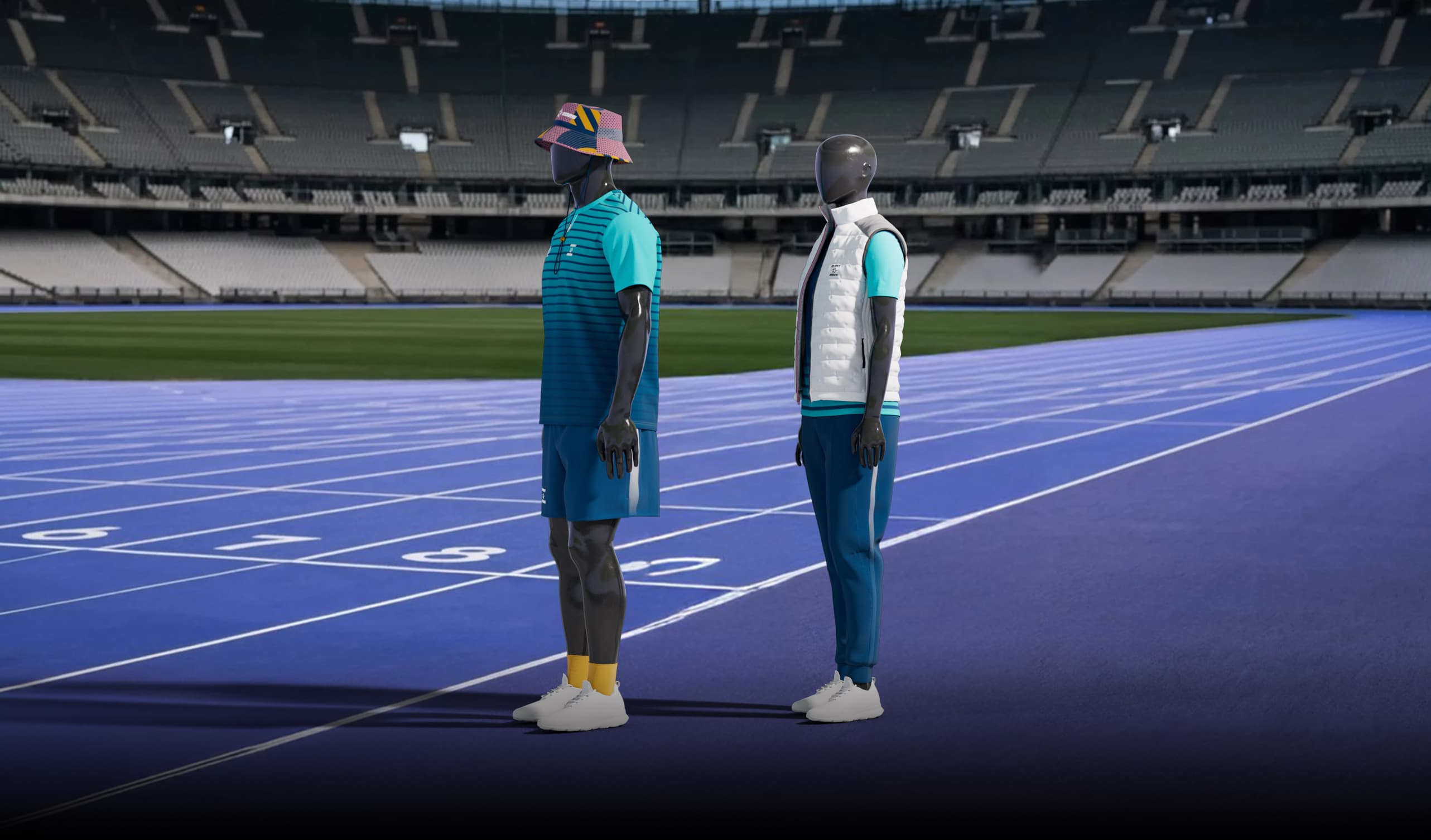
Sports clubs do not build a memorable brand through match results alone. The strongest clubs also create recognisable moments between fixtures, across community events, and in the day-to-day routines of players, volunteers, sponsors, and supporters. Custom merchandise gives clubs a practical way to extend that identity into the real world. When the merchandise programme is well planned, every shirt, training layer, tote bag, sideline banner, and giveaway item reinforces what the club stands for and why people should stay connected to it.
Why merchandise matters for sports club branding
For many clubs, branding conversations focus on a crest, a colour palette, or a social media style. Those elements matter, but they become far more effective when supporters can wear, share, and reuse them in everyday settings. Merchandise turns branding from something people see into something people carry. That shift makes the brand more visible and more memorable.
Custom sports merchandise also gives clubs a stronger bridge between matchday energy and long-term community awareness. A supporter who buys a branded quarter zip, cap, or training tee is not just making a purchase. They are carrying the club into schools, workplaces, gyms, and local events where new audiences notice the identity.
Build a merchandise system, not a one-off product drop
The most effective clubs do not start by asking, "What can we print?" They start by asking, "What role should merchandise play in the club experience?" That question usually leads to a more durable plan.
A strong merchandise system often includes:
- core teamwear that keeps players, coaches, and staff visually aligned
- supporter products that fans actually want to wear beyond game day
- sponsor-ready items that feel integrated rather than forced
- event merchandise for tournaments, club days, and youth programmes
- fundraising products that can be sold repeatedly without rebuilding the collection every month
This approach keeps the visual identity consistent across every audience while still allowing specific product mixes for athletes, volunteers, sponsors, and local supporters.
Turn local events into brand-building moments
Community visibility grows fastest when the club shows up consistently in local spaces. Merchandise helps clubs do that without relying on expensive campaigns. A branded volunteer shirt at a charity run, a custom cap during a youth clinic, or a supporter tee at a sponsor open day creates repeated brand exposure in places where trust is built face to face.
The goal is not to hand out as many items as possible. The goal is to place the right items in the right moments:
- teamwear for staff and volunteers during public-facing events
- limited-edition event products that make special dates memorable
- affordable supporter items that help new families feel included quickly
- sponsor-backed products that connect commercial partners to visible community outcomes
When clubs plan merchandise around specific community touchpoints, the products feel intentional instead of promotional.
Use sponsorships and nonprofit partnerships carefully
Sports clubs often need merchandise to support more than one relationship at once. A single collection may need to reflect club identity, sponsor visibility, and a charitable initiative. That only works when the hierarchy is clear.
The club brand should remain the anchor. Sponsors should feel additive, not dominant, and cause-led campaigns should still look like a natural extension of the club rather than a disconnected fundraiser. In practice, that means setting simple design rules around logo placement, colour balance, and message hierarchy before any products go live.
This clarity makes collaboration easier with:
- local sponsors that want measurable visibility
- nonprofit partners tied to youth, health, or community programmes
- tournament organisers and host venues
- volunteer teams that need recognisable apparel on-site
When merchandise is structured well, it can support fundraising and partnerships without diluting the club's core visual identity.
Choose products fans will keep wearing
Not every branded product strengthens a club brand. Merchandise only works when it feels useful, wearable, and relevant. Clubs should prioritise products that supporters will keep in rotation after the initial excitement of the season launch.
That usually means focusing on items with repeat use value such as training tops, hoodies, caps, lightweight outerwear, warm-up essentials, tote bags, and practical accessories for travel or tournaments. The visual system should be flexible enough to work across performance products and casual fanwear without creating two disconnected identities.
Product choice also influences discoverability. When supporters search for custom sports apparel, club hoodies, training tops, or branded fan gear, the club benefits from having a merchandise catalogue that reflects how people actually describe and shop for those products.
Measure success beyond sales alone
Revenue matters, but sports club merchandise should also be evaluated as a branding tool. A good programme does more than sell units. It increases visibility, improves sponsor activation, and gives the community more reasons to interact with the club outside matchday.
Useful signals include:
- repeat purchases from supporters across the season
- merchandise usage at local events and community activations
- sponsor participation in branded campaigns or co-funded collections
- stronger visual consistency across players, staff, and volunteers
- more inbound interest from families, partners, and local organisations
Tracking these signals helps clubs decide which products should stay evergreen and which campaigns should remain seasonal.
Frequently asked questions
What merchandise gives the fastest branding lift for a sports club?
Start with products that combine visibility and repeat wear, such as team hoodies, training tops, caps, and supporter tees. These usually create the quickest brand recognition because they appear both on and off the field.
How can a smaller sports club launch merchandise without overcommitting?
Start with a narrow range of high-confidence products, define a clear visual system, and use approval-friendly workflows so the club can test demand before expanding the range.
Should sponsors appear on community merchandise?
Yes, but only when sponsor placement supports the club identity instead of overwhelming it. Clear hierarchy keeps the club recognisable while still giving partners meaningful visibility.
How MerchandAise helps sports clubs launch stronger programmes
MerchandAise helps sports clubs build merchandise programmes that feel organised, scalable, and brand-safe. That includes broad product choice, consistent customisation, and practical workflows for approvals, launches, and repeat orders. Clubs can create collections that support athletes, supporters, sponsors, and community partners without rebuilding the merchandising strategy from scratch each time.
If your club is ready to turn merchandise into a stronger branding and community-growth channel, explore the MerchandAise shop or contact the MerchandAise team to plan the next launch.
Published 15 January 2026
Updated 30 March 2026