
How to Plan Branded Merchandise for a Sport Event
Event merchandise works best when every item has a clear recipient and purpose. This guide helps organisers plan participant kits, volunteer wear and keepsakes against quantities, artwork, approval and supplier-confirmed delivery.
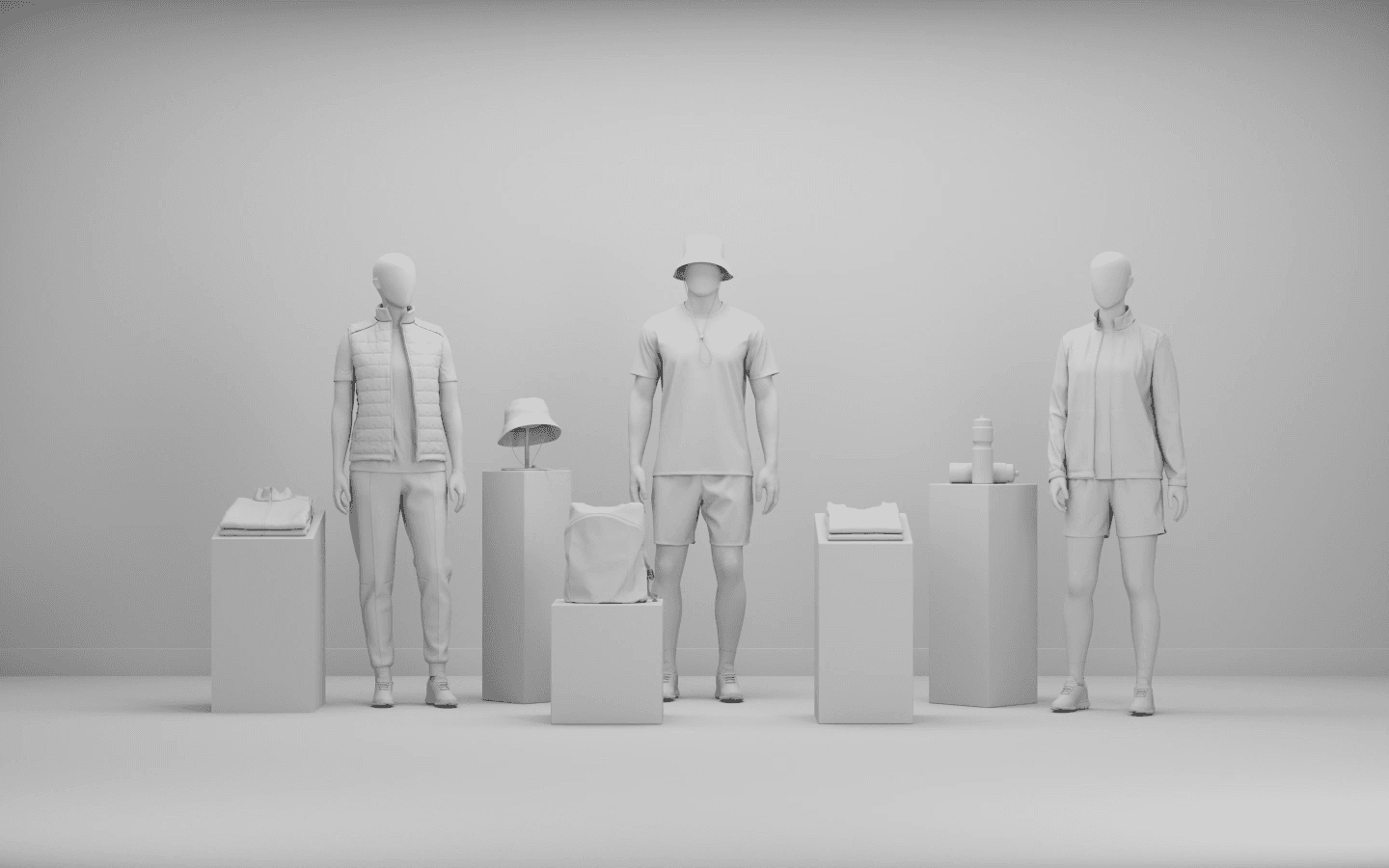
A sport event can use merchandise to help people find their team, recognize volunteers or remember a particular day. The item is useful only if it suits the recipient and arrives in the right form at the right time. A memorable idea cannot fix a missing size run, an unapproved sponsor mark or a delivery date that was never confirmed.
Start with an event brief before picking products. It should describe the audience, the role of each item, the artwork, quantity by variant, delivery destination and the date the item must be in hand. Use that same brief when asking for supplier options.
Give each item a job
Participant apparel, staff wear, volunteer identification, a finisher keepsake and a sponsor gift solve different problems. A participant shirt may need sizes and a comfortable fit. Volunteer caps or vests may need to identify a role at a distance. A keepsake should reflect the event without promising a specific finish or material that has not been confirmed.
Avoid building one large assortment because it looks attractive on a presentation slide. Choose the small set of items that supports the event experience, then decide whether each one is handed out at registration, worn during the event or sent afterward. That decision affects packaging, labelling, storage and distribution staff.
Work from real quantities and sizes
Record expected recipients for each group and check how many variants the order requires. For apparel, note sizes, fit options and who will collect that information. Keep volunteer allocation separate from participant allocation so one group does not consume the other's stock. If personalised names or numbers are involved, use a versioned roster and have one owner check every entry.
Ask whether the supplier's minimum applies to the whole item, each colour or each design. A small event does not automatically qualify for a small production run; a larger event may still face a separate minimum for each variant. Confirm available product sizes and quantities before promising a particular item to registrants.
Build an artwork and approval map
List the event name, date, logos, sponsor marks and any required legal or safety information. Confirm who has permission to use each asset. Decide which marks belong on which products and who must approve them. An event shirt and a medal may need different artwork files, placement rules and technical reviews.
Ask the producer for the correct template or print area before finalizing a layout. Keep a single approved version for each product. If a sponsor changes or a new event date is added, record which file and proof must be reviewed again.
Plan backward from the in-hand date
Tell the supplier when and where the goods must be available for distribution, not only the event date. Include time for artwork review, a confirmed quote, any required technical check, any chosen or required sample, digital-proof approval, production, transport and receiving. Which steps can overlap and how long they take depend on the exact product and supplier.
There is no reliable universal number of weeks that covers every event product. If timing is critical, ask for the dependencies and latest approval dates in the offer. Keep a fallback option for a late design change or an item that cannot meet the date.
Use the preview for discussion, then confirm production
For supported MerchandAise products, an interactive 3D view can help review colours and artwork placement. It is a planning view, not a physical sample or a guarantee that a medal, bag or every other event idea has a product-native 3D model. A saved design is not a supplier-confirmed price or delivery commitment.
Send the final brief for a product-specific review. Ask the supplier to confirm material, decoration, minimum quantity, proof or sample path, total price, delivery terms and what happens if a production detail changes. Keep the approved design and confirmed offer together so the event team orders the intended version.
Measure what mattered to the event
After distribution, ask whether the items reached the planned groups and served their purpose. Record shortages, unused stock, fit issues and participant or volunteer feedback. If brand awareness is a goal, define a way to assess it before the event; do not claim improved recall simply because the logo appeared on an item.
You can explore event product ideas and browse the shop for possible starting points. If the event needs a special item or tight schedule, share your event brief for a supplier-reviewed path.
Questions organisers often ask
Can we order for a small event? It depends on the product, design and supplier minimum. Share the planned quantity and variants for a specific answer.
Can we see every item in 3D? No. Interactive 3D is available on supported products; other ideas may start with an image, a template or a written brief.
When should we approve artwork? As soon as the exact product and supplier proof path are known. Ask for the latest approval date needed to meet the confirmed schedule.
Published 22 May 2025 - by Marc
Updated 16 October 2026